
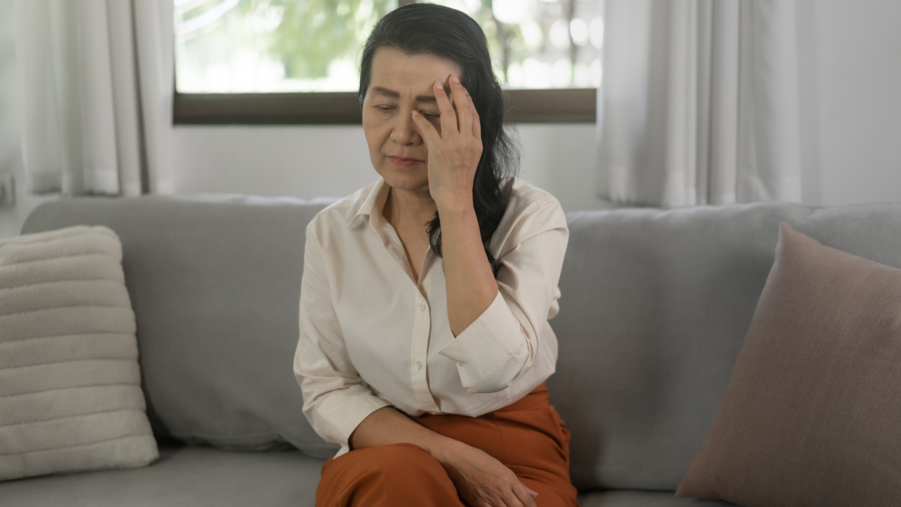
Cancer & Mental Health
By: Shannon Scorzelli, DNP, APRN, FNP-BC
You’ve been diagnosed with ovarian cancer; your first thought may be, “What do I do now?” Your first emotions might be fear, sadness, and anxiety. Not only do you feel the effects of these emotions, but so do your friends and family. They may experience their own fears and anxieties because they care about you. You might wonder how you will get through the days, weeks, and months ahead. A diagnosis of cancer can impact every facet of your life. It is essential to recognize when these changes occur and to seek help when you need it. It is also important to remember that you are not alone in this fight against cancer; many resources exist to help you through this journey.
But where do you even start? All your mental capacity is probably overloaded by the new diagnosis and how to handle it. Looking for mental health support and resources to help you manage it might be too overwhelming to think about. In this article, we hope to give guidance and connect you with resources to help you and your family through this difficult time.
Emotional Impact:
According to the American Cancer Society, a cancer diagnosis can affect the emotional health of patients, families, and caregivers with common feelings like anxiety, distress, and depression. Anxiety can mean feeling worried, scared, or uncomfortable about an actual or potential situation. Distress can be an unpleasant thought, feeling, or behavior; being distressed can affect how a person thinks, feels, or acts and can make coping even more difficult. Depression is common among cancer patients, families, and caregivers. Depression can be mild and temporary to severe and lasting, with major depression affecting one in four people with cancer, and it is important to know what to look for. Some signs and symptoms include feeling hopeless or sad, a loss of interest in things you once enjoyed, extreme tiredness, and thoughts of death or suicide. It is important to note that fatigue, or extreme tiredness is a common side effect of cancer treatment; it could, but may not be, a sign of depression.
Coping Mechanisms:
Many coping strategies exist for dealing with a diagnosis such as cancer; some can be very helpful, while others are not. According to the National Cancer Institute (NIH), a wide range of emotions accompanies a cancer diagnosis, many of which you may not be accustomed to dealing with. It is important also to remember that all these feelings are normal.
The NIH suggests several ways to cope with these emotions, which include,
• Expressing your feelings
• Not blaming yourself for your cancer
• Choosing with whom and when you talk about your cancer
• Continuing to be as active as you can while also finding new ways to relax
• Looking at what you can control
There are many ways to express your feelings; you can do this through talking with friends or family or through support groups. Expressing your feelings can help you to let go of their burden. Other ways of expressing your feelings include art and music. It is important to remember not to blame yourself for your diagnosis and that cancer can happen to anyone. Only you can decide who you discuss your diagnosis with; if you don’t want to discuss it, it is OK not to. Your timeline of when and who you tell is entirely in your control. It helps to continue to be active; getting out of the house can help you focus on other things besides your cancer. Finding ways to help you relax is also important, especially when things become too overwhelming. This could be as simple as taking a bath, reading a book, trying guided meditation, or doing different breathing exercises. Finally, looking for what you can control can help take your mind off what you cannot. Being involved in your health care, asking questions, and making changes to your lifestyle are some examples of things you can take control of during your journey.
Seeking Professional Help for Your Mental Health:
According to Mental Health America (MHA), many people will experience significant changes to their mental health after being diagnosed with cancer. A third of people treated for cancer have a common mental health condition, with rates of having major depressive disorder being up to three times higher than that of the general population. An important fact to note is that it has been found that people with depression could have worse cancer-related outcomes. This is because those with major depression might be less likely to follow treatment plans, with studies showing that those dealing with a severe mental illness have lower chances of survival after a cancer diagnosis. One study showed that those who did receive mental health treatment had fewer symptoms of depression with longer average survival times. The good news is that it is much easier to look for and find help for mental health problems like depression and anxiety than you think. You might be wondering where to look for mental health help. An excellent place to start is Psychology Today. This website allows you to find therapists and psychiatrists in your area. Another feature of this website is that you can set filters by issue, insurance, gender, types of therapy, and more. This is helpful to narrow down your search. It is also important to note that therapists cannot prescribe medications, and psychiatrists can. For you, this might mean that you see a therapist to talk about your emotions and a psychiatrist to prescribe medications for your mental health. Medication is not always needed to treat mental illness, but it can be an important adjunct to traditional talk therapy for some. Another way to find therapists and psychiatrists is through your primary care provider or word of mouth. You might know a trusted family member or friend who has discussed their mental health struggles with you and has shared that they see a therapist, psychiatrist, or both. You may feel comfortable asking them who they see and how they feel about them. Seeking help for your mental health struggles can be vital to feeling better throughout your cancer journey.
Supportive Networks:
Another essential tool to utilize during your cancer treatment is knowledge. Knowledge is powerful and valuable in so many ways. Knowledge can create a sense of comfort in knowing what lies ahead instead of facing the unknown head-on. Knowledge can come in the form of a cancer support group. A support group consists of people who are going through or who’ve gone through the same thing or something similar to you. Connecting with someone like this can empower and give hope where it may have been lacking. The National Ovarian Cancer Coalition (NOCC) is an excellent place to begin when seeking support. The NOCC proves again that you are not alone in your fight against ovarian cancer; with many resources available, whether you’re newly diagnosed, your cancer has returned, you’re a survivor, or you’re a caregiver to someone with ovarian cancer. The NOCC also helps get you connected to support groups in your area. MIOCA also offers support groups facilitated by professionals and available statewide via Zoom. For additional education and resources, visit MIOCA’s resource page to learn more.
Resources:
https://www.cancer.org/cancer/managing-cancer/side-effects/emotional-mood-changes.html:~:text=A%20cancer%20diagnosis%20can%20affect,and%20get%20help%20when%20needed.
https://www.cancer.org/cancer/managing-cancer/side-effects/emotional-mood-changes/anxiety.html
https://www.cancer.org/cancer/managing-cancer/side-effects/emotional-mood-changes/distress.html
https://www.cancer.org/cancer/managing-cancer/side-effects/emotional-mood-changes/depression.html
https://www.cancer.gov/about-cancer/coping/feelings
https://www.mhanational.org/cancer-and-mental-health
https://www.ncbi.nlm.nih.gov/pmc/articles/PMC4356432/b2-ol-09-04-1509
https://bmjopen.bmj.com/content/4/1/e004295
https://www.psychologytoday.com/us/therapists
https://ovarian.org/find-support/
https://ovarian.org/get-involved/nocc-communities/
https://www.mioca.org/events-programs/programs/Support-Groups-in-Michigan
https://www.mioca.org/education-resources
Shannon Scorzelli, DNP, APRN, FNP-BC is a health content writer and family nurse practitioner with more than 10 years of experience as a nurse. She is passionate about patient education and enjoys discussing women's health and mental health topics such as anxiety, depression, and OCD. View her LinkedIn profile.